

How Long Does It Take to Put Up Scaffolding in Ontario?
What to Know About Scaffolding Timeline in Toronto and the GTA
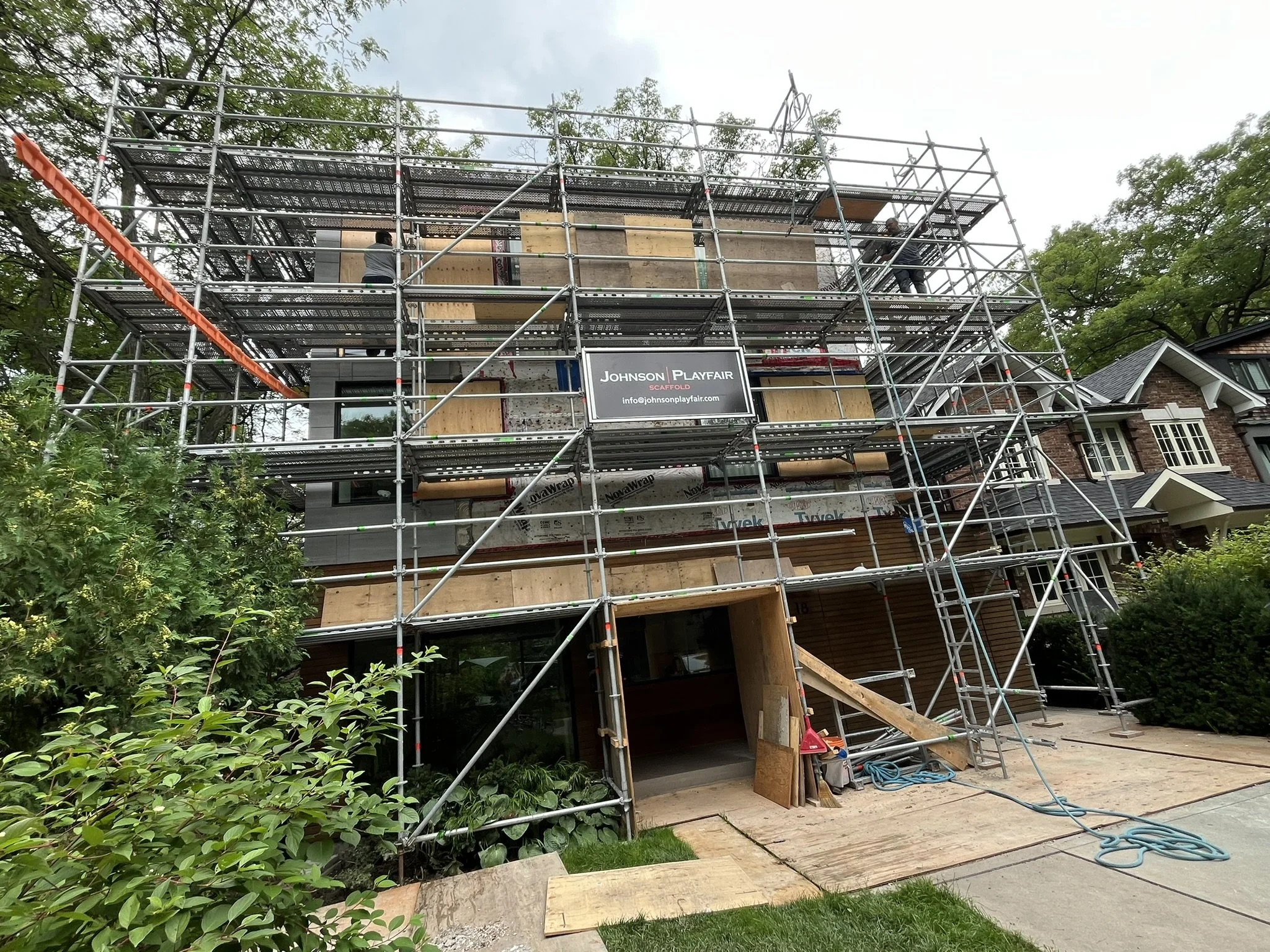
Looking to rent scaffolding or hire a scaffold company for installation on a construction project or other cleaning or repair work? We answer everything you need to know about how to plan scaffolding in your project. These are the factors you should consider in planning scaffolding for your project.
When Do I Need Scaffolding?
When you have workers working at height above 2 metres, multiple workers and/or multiple trades accessing a site, workers at multiple levels on a site, or need pedestrian access to or around the building being worked on. Demolition, building, and repair all create site hazards that are mitigated by workers using a scaffold as a safe and stable work platform.
How Far in Advance Should I Book Scaffolding Rental and Installation?
We recommend about a month of lead time when possible for most residential and smaller-scale commercial scaffolding installations. A month or less is generally enough time for straightforward installations that don’t require an engineer or permits.
In the busy period of spring and summer, scaffold crew schedules fill up and more lead time may be required to ensure installation is available on your desired timeline. For large projects, six to eight weeks may be necessary to complete engineering and design, mobilize equipment, and acquire all necessary permits and site protection.
When in My Project Should I Plan for Scaffolding?
For larger design-build jobs, it’s best to factor scaffolding into the plans earlier in the process. This ensures projects aren’t delayed if the scaffolding needs an engineer, street occupation permits, or hydro line coverings, and ensures the scaffolders can plan for your job in their schedule. Engineering and line coverings can add 3-4 weeks to the time needed (more on this later), while street occupation permits typically take around two weeks in the City of Toronto and between 1-3 weeks (3-15 business days) in other GTA cities, depending on the municipality’s guidelines.
One week of lead time can be sufficient for some small projects or rentals. Click here to see a process timeline.
Which Companies Offer Scaffolding Rental with Delivery Service in Ontario?
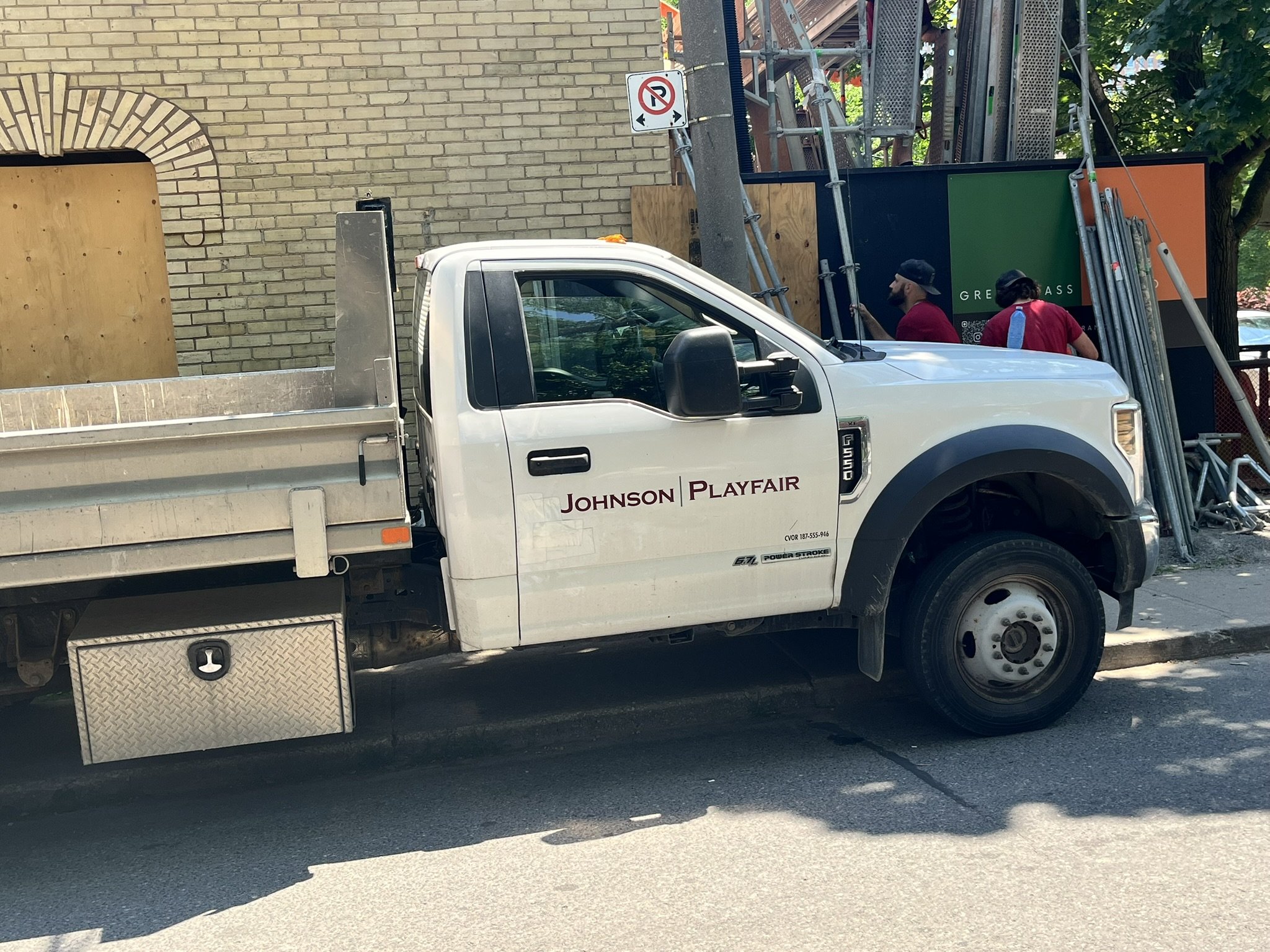
Most scaffold rental companies offer delivery service for their scaffolding. If you have hired a company for installation, transportation will be factored into their costs. For rental equipment only, you may be able to arrange for either pick up or delivery. Your company will need to own a vehicle with a long trailer to transport scaffolding ledgers and standards.
How Long Does Scaffold Design Take?
Scaffold design can be completed quickly or on site for a simple, straightforward installation. For scaffolds at a lower height and limited number of scaffold bays, the design may be completed during the construction of the scaffold. For other designs at lower heights, the design process can be completed by our in-house technicians within a few days.
When an engineer is needed for scaffold engineering, a longer timeline of a month is required. In Ontario system scaffolding above 15 metres (50 feet), or tube and clamp scaffolding above 10 metres (32 feet), needs to be approved and stamped by an engineer.
Do I Need Power Line Coverings for Scaffolding?
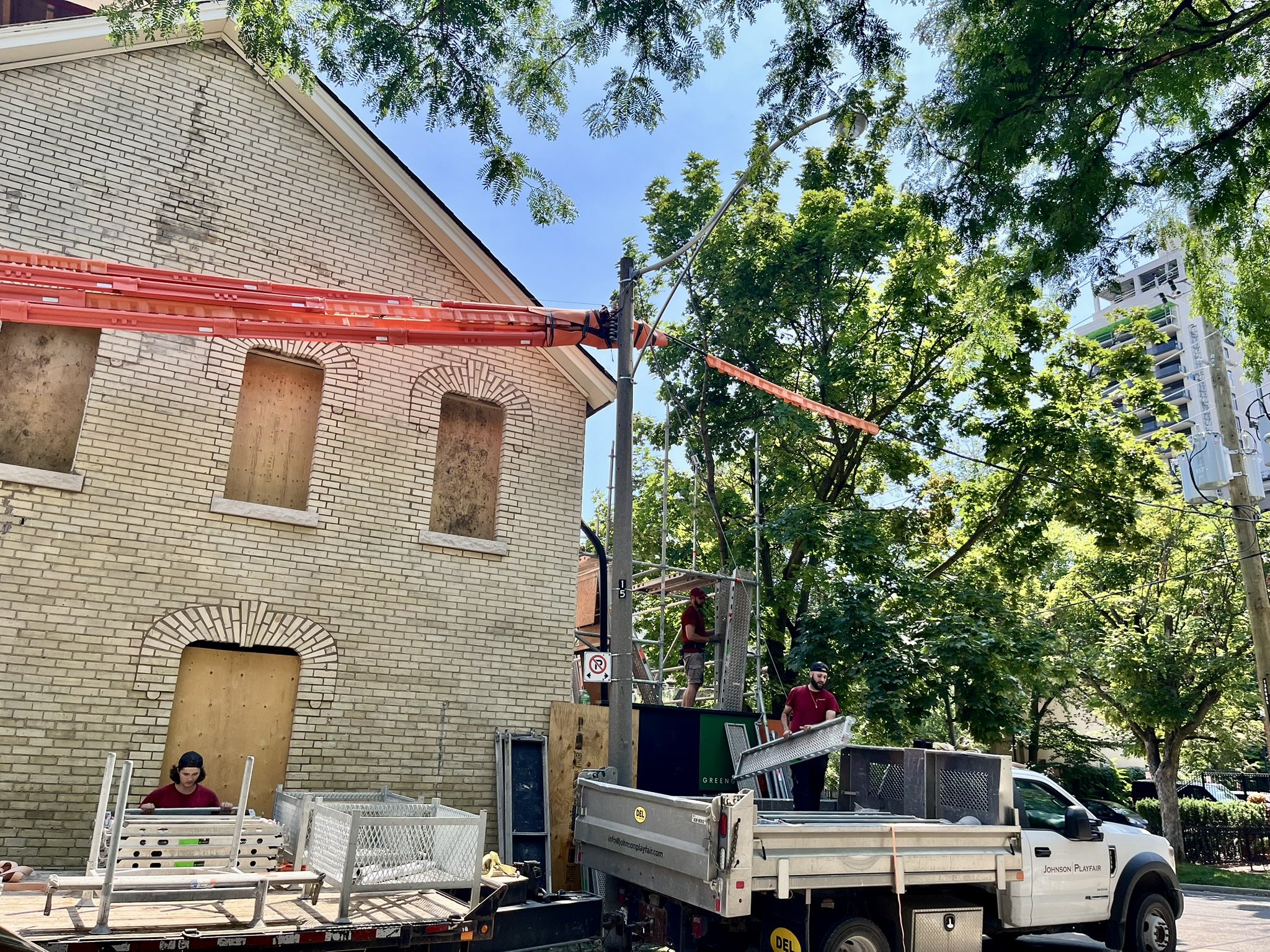
Most of our scaffold installations that include the front of a building require hydro line coverings (power line coverings).
In Ontario, any construction projects occurring within 3 metres (10 feet) of overhead electrical lines require line coverings by law. Typically, 15 business days’ notice is required for installation. A faster installation can normally be completed in 1-2 business days for an additional charge.
For a power cut off to the lines, Toronto Hydro requires roughly two weeks to one month of notice and Ontario Hydro One will evaluate requests within 15 days of submission before scheduling the cut off.
The Construction Projects Regulation (O. Reg. 213/91) under the Ontario OHSA requires that people and equipment keep a minimum distance of 3 metres from high voltage powerlines (between 750 volts and 150,000 volts).
These regulations refer to work occurring around primary hydro only — cable, internet, and phone wires (typically at the rear of a building) do not require line coverings. Workers should simply be mindful of these wires when working close by.
How Long Does Scaffolding Take to Install?
Scaffold installation depends on the type of scaffolding and the site conditions. Simple system scaffolding on a single elevation (building side) may take only a few hours, while complex scaffolding can take several days or over a week. Most residential scaffolding installations are completed in 1-2 days, while large commercial jobs can take longer. Some full house wraps may take several days to complete. Chimney access scaffolds usually take half a day to a full day to install.
Roof access scaffolding can normally be installed in 1-2 days, depending on the roof and volume of scaffolding needed, while scaffolding with a temporary roof usually requires several days to install.
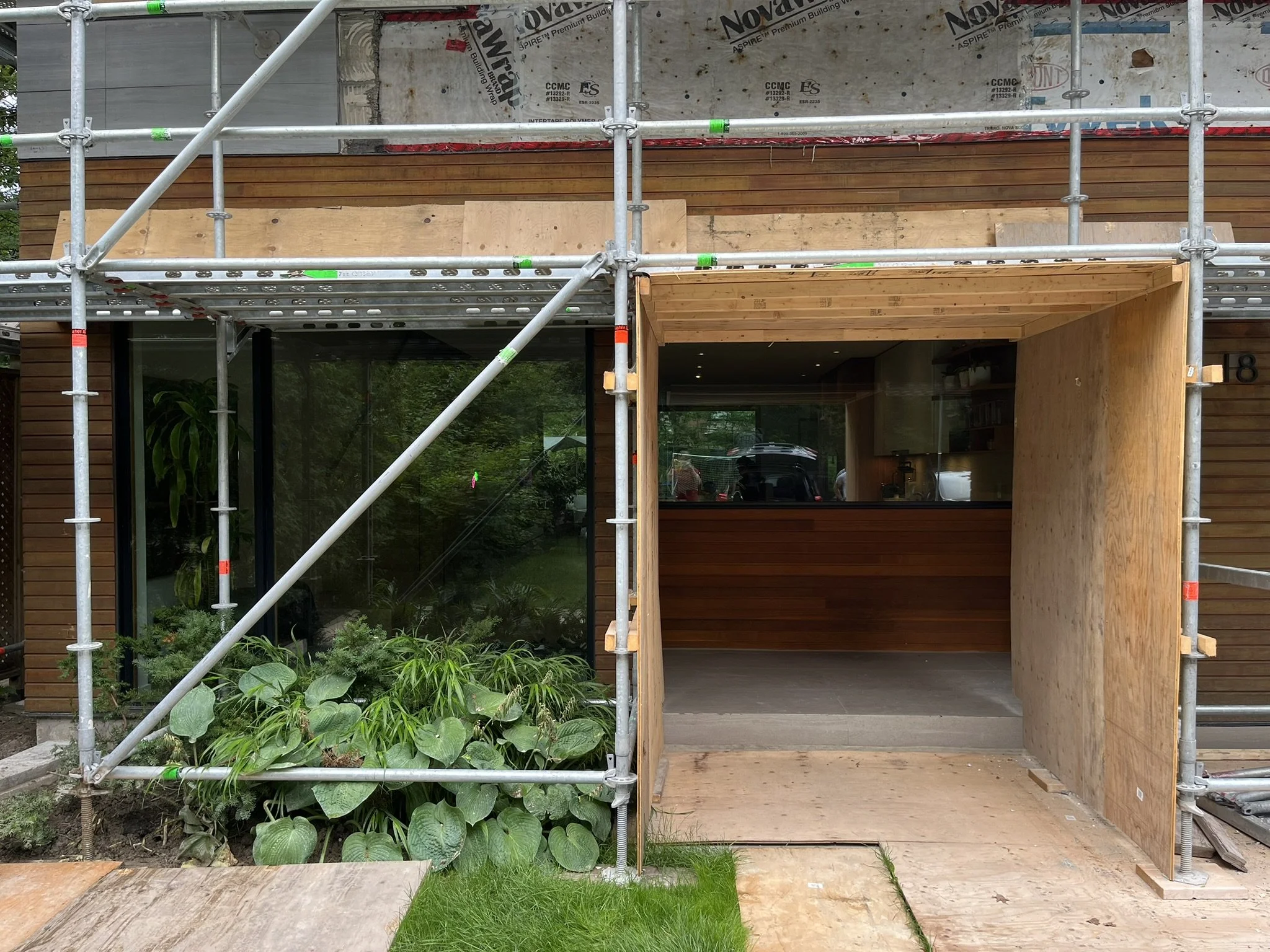
Site conditions affecting scaffold installation timing include ground conditions: unstable ground that requires shoring or extra care will take longer to install scaffolding on. Slopes and sandy soil require stabilization for a scaffold.
Access is an additional factor: narrow access between houses, needing to carry gear through tight entryways to a rear yard, needing to block off pedestrian access or schedule around busy hours for foot traffic will cause an installation to take longer. A lack of tie-in points for the scaffold will also necessitate a more complex installation.
Common challenges in the Toronto area, especially in the central areas of the city, include narrow access between buildings, access only through the rear, limited parking for a large scaffold truck that leads to longer distances to transport gear, and busy pedestrian or vehicle traffic.
Design requirements can also affect the installation timeline. More complex designs, taller structures, and scaffolds requiring additional supports will take longer to install. Overhead walkways and large staircases that need to be positioned take longer to install than regular decking and ladders. Temporary roofing also requires a more complex installation.
Don’t forget weather conditions: while scaffold crews can work in light rain, heavy rain can pause work or demand a rain date. Snow and ice can also delay work during winter and early spring.
Large-scale commercial and industrial work, and even some large residential projects, may be constructed in phases, where the scaffolding needs change through the process and the scaffold configurations may be adjusted over time.
How Long Can Scaffolding Stay Up?
There is no limit to how long scaffolding can stay up. Many projects requiring scaffolding take months, with access required for multiple trades on a construction project. Scaffolding should be inspected by a qualified person every 30 days when installed long-term.
If a street occupation permit is required, you must abide by the terms of the permit and request an extension if needed.
How Long Does Scaffolding Take to Dismantle?
Most residential and smaller-scale commercial scaffold installations can be dismantled within half a day to two days. Large high-rise or multi-part installations may take longer to dismantle. Your scaffold removal schedule should account for weather delays, as rain dates may cause your project or other jobs to be rescheduled by a couple days. All materials and debris need to be removed from the scaffold before the scaffolders begin. Removing any add-ons like temporary roofing, tarps, netting, wheels and lifts will require time as well.
A procedure for removing tie-ins and bracing needs to be followed throughout the dismantling to maintain stability for the scaffolders’ safety during removal.
If scaffold tie-ins were used on the side of a brick, stone, or concrete building, masonry repairs may need to be completed after removal. Our crew includes workers with masonry expertise who can complete these repairs for you in the dismantling process.
Planning Scaffolding in Your Project
Properly planning your scaffold installation for Toronto construction projects means some thinking ahead. Make sure your project timeline includes time for the following steps when needed:
Scaffold Quote
Engineering
Permit Applications
Scaffold Design
Gear Delivery
Scaffold Installation
Scaffold Dismantle
If you’re looking to install rental scaffolding in Ontario, you may be interested in these other articles:
