

Do You Need an Engineer for a Scaffold?
Find Out Who Needs to Approve a Scaffold in Ontario
If you’re planning a construction project in Ontario and need scaffolding for access to a site, you may be wondering: does a scaffold require an engineer? There are a few situations where scaffold engineers are needed. Here’s a look at some of the top questions about engineering and scaffolding for project managers, architects, engineers and general contractors.
When Do You Need a Scaffold Engineer?
There are essentially two scenarios where you would need your scaffolding to be engineered:
Tall scaffolds
Uneven scaffolds, where the ratio of width to height is less than 3:1, may require engineering
In Ontario, system scaffolding above 15 metres (50 feet), or tube and clamp scaffolding above 10 metres (32 feet), needs to be approved and stamped by an engineer.
Essentially, for many single-family home residential scaffolding jobs, and some smaller commercial buildings, an engineer may not be required. For midrise (over 4-5 floors) and high rise exterior construction, engineer approval will always be required.
Under Ontario OHSA requirements for scaffolding, the ratio of width to height needs to be 3:1 on a self-supporting scaffold; if the ratio is smaller, either the scaffold must be attached to tie-in points on a stable building, or an engineer needs to devise a design solution to support the appropriate load capacity for the scaffold.
What’s the Difference Between System Scaffolding and Tube and Clamp Scaffolding?
System scaffolding fits together with rosettes to hook components into and is a more modern scaffolding type adaptable to most construction. Tube and clamp scaffolding is held together with clamps, true to its name, and tubes may be cut to size to properly fit spaces.
Both types of scaffolding are safe, but with the additional variables affecting the capacity of tube and clamp scaffolding, engineering is required at a lower height.
Who Engineers a Scaffold?
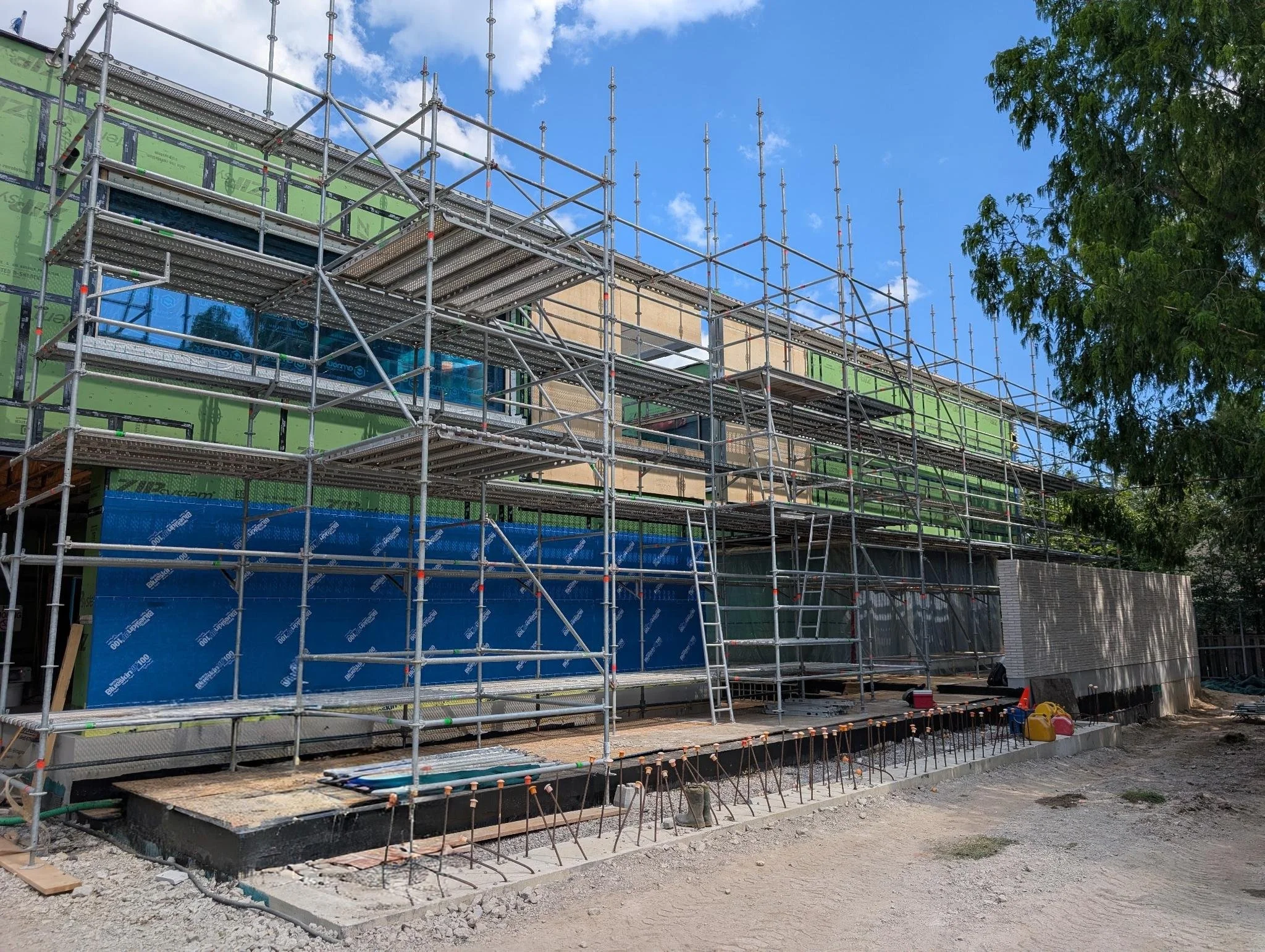
If a scaffold engineer is required for your scaffold, your scaffolding supplier will inform you and coordinate the engineering. If you are a builder installing scaffolding on your own (rental or owned equipment), your architect or estimator may assess if your scaffolding requires engineering.
A scaffolding installation and rental supplier can ensure your scaffold design is engineered properly. Some large suppliers have an in-house engineering department, while smaller companies will have structural engineers they work with for engineering.
What Does a Scaffold Engineer Do?
A scaffolding engineer has a background in structural or civil engineering. Their job is creating a design for scaffolds using CAD software or specialized scaffolding design software.
A scaffold engineer needs to understand construction methods, working with estimators and project managers to price scaffolding constructions, and to be able to read architectural drawings. The engineer conducts load calculations for the scaffold (assessing it as light duty, general purpose, or heavy duty). They apply industry standards, safety requirements, and quality control procedures to scaffold installations. They will help translate 2D drawings or building concepts into practical access solutions appropriate to the job site. They may complete structural analysis as part of the design using BIM (building information modelling) or other software.
The engineer will conduct a job site inspection in preparation for their scaffold design, and may conduct site visits to assess the stability and suitability of a completed or partially completed scaffold.
How Long Does Scaffold Engineering Take?
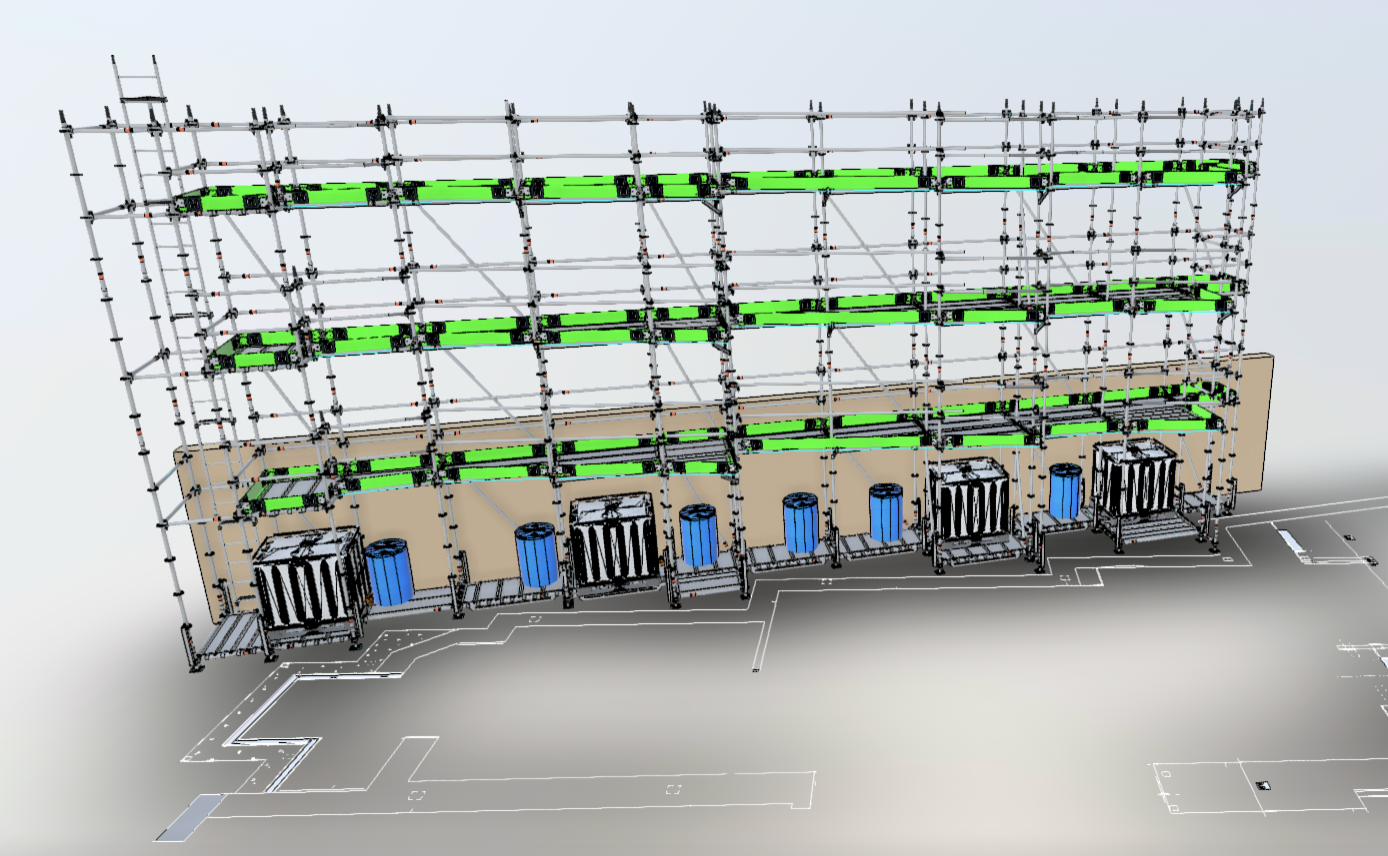
The length of time it takes to complete an engineered scaffold design varies based on the scaffold complexity, site complexity, and capacity of the scaffold installer or engineering firm. An in-house scaffold design team may complete a straightforward engineered scaffold design within a couple of days.
Other installations may require a more detailed assessment of the job site, reviewing the needs of multiple trades accessing the scaffold, discussing project staging with project managers, or devising more innovative engineering solutions (for example, for infrastructure construction over water or roadways, or industrial scaffolding in sensitive sites). Scaffold engineering may add about a month to the process if an external contractor is used or the project is complex.
How Else Are Scaffolds Designed?
If a scaffold engineer is not needed for a scaffold design, the design work can be completed in the typical scaffold company office. Scaffold designs can be created using specialized scaffold design software, CAD software, or other design software. Some scaffold design software can interact with building scanning technology to easily design a scaffold based on the building’s structure. In house, a scaffold design technician, architectural technician, scaffold project manager, or other professional may complete scaffold designs.
For smaller residential scaffolds, a scaffold may be able to be designed by the crew during installation if access is straightforward. Some scaffolds, like freestanding towers for film and event usage, are modular designs that are easily replicable across job sites.
Does My Scaffold Need an Engineer?
Still not sure whether you need an engineer for your scaffolding project? Consulting an experienced scaffolding installer can help you find out. The scaffolding estimator can take measurements and assess needs based on a site visit, photos, or software tools. Having a reliable partner for Ontario scaffolding installation can help take the mystery out of scaffolding and ensure you your job, and your crew’s safety and easy site access, are in good hands.
You may also be interested in:
• Do I Need a Permit for My Scaffold in Ontario?
